10 Tips Every Worker Must Know for Scaffolding Safety
Working at height presents inherent risks, but with the right knowledge and precautions, these risks can be managed effectively. Whether you're a seasoned tradesperson or new to the construction industry, understanding the fundamentals of scaffold safety is a necessity. For those utilising scaffolding in Ringwood, ensuring a safe work environment is the cornerstone of any successful project. Falls from height remain one of the leading causes of workplace injuries, but by following proven safety protocols, every worker can return home safely at the end of the day. This article outlines ten critical tips that form the foundation of a safety-first approach on any scaffold.
10 Safety Tips for Scaffolding in Ringwood
Tip 1: Inspect Equipment Before Every Use
Before any task begins, the first line of defence is a thorough understanding of the equipment itself. A staggering number of accidents, with falls accounting for over 70% of incidents, are directly linked to issues with the scaffold structure. Common culprits include missing guardrails and unexpected planking failures. Therefore, before you step onto any platform, ensure a qualified individual has inspected it. When you hire scaffolding in Ringwood from a reputable provider like All Domestic Scaffold, you start with equipment designed for safety and reliability. However, the ultimate responsibility for a pre-use check rests with the team on site. Look for any signs of damage, such as rust on tubes, cracks in welds, or bent components.
Tip 2: Understand Fall Protection Requirements
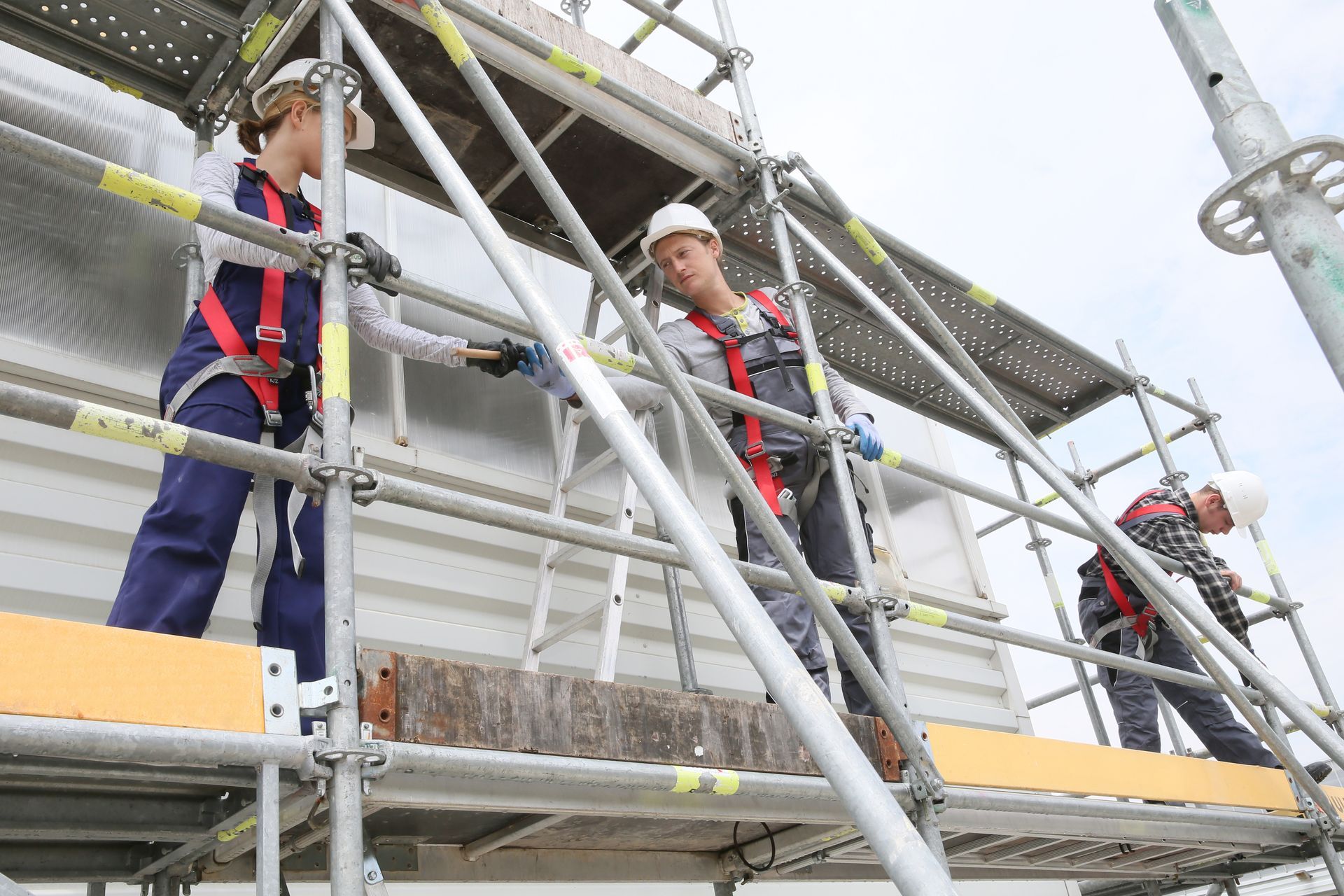
Perhaps the most critical element of scaffold safety is fall protection. Statistics consistently show that falls are the number one killer in construction. If you are working at a height of 2 metres (or 10 feet) or more, adequate fall protection is non-negotiable. This primarily involves two key systems: passive and active. Passive systems include properly installed guardrails on all open sides and ends of the platform, along with mid-rails and toe boards to prevent tools and materials from falling. Active systems, such as personal fall arrest systems, are required where guardrails are not feasible. This means wearing a correctly fitted safety harness and lanyard, attached to a suitable anchorage point independent of the scaffold. Remember, when you are working on scaffolding in Ringwood, these systems are your lifeline.
Tip 3: Know the Role of the Competent Person
A central figure in maintaining a safe site is the "competent person." This is a specific role defined by training, experience, and the authority to correct hazards. According to safety regulations, a competent person must inspect the scaffold before each work shift and after any event that could affect its structural integrity, like a storm or a hit by a vehicle. Their daily inspection is meticulous. They will examine all components for specific issues: looking for rust that could weaken metal tubes, checking for cracks in welds or timber, ensuring all couplers and connections are tight and secure, and scrutinising every plank for splits, warping, or damage. If you are overseeing work on scaffolding in Ringwood, always know who the competent person is for your site and heed their directions.
Tip 4: Use Safe Access and Egress Methods
Safe access onto and off the scaffold is another area where incidents frequently occur. Never climb on the cross braces; they are not designed for that purpose and can easily fail. Proper access must be provided, whether through integrated stair towers, purpose-built ladders that extend above the platform level for a secure handhold, or personnel hoists. When using a ladder, ensure it is on a firm, level footing and tied off to prevent movement. Climbing with tools in your hands is a major risk; use a hoist rope or tool bag to lift materials separately. Every time you access scaffolding in Ringwood, take that extra moment to ensure your path is clear, secure, and compliant with safe practices.
Tip 5: Maintain Proper Platform Conditions
Platforms themselves demand constant vigilance. A safe working platform must be fully planked, meaning there are no gaps through which a person or material could fall. All planks must be of the correct grade and length, extending past their supports but not so far that they create a tripping hazard, typically between 150mm and 300mm overhang. As work progresses, it is common for debris, tools, and materials to accumulate. This creates slip, trip, and fall hazards. A cluttered platform is an unsafe platform. Make it a habit to keep your work area tidy. When your task involves scaffolding in Ringwood, remember that good housekeeping is a direct contributor to safety.
Tip 6: Beware of Electrical Hazards
Electrical hazards are a silent but deadly threat on many work sites. Always be aware of overhead power lines. The rule of thumb is simple: maintain a minimum distance of three metres from any power line. Electricity can arc, meaning it can jump across gaps, so even if you don't touch the line directly, you can still be electrocuted. When moving or erecting scaffold near power lines, extreme caution is required, and often, the power company must be contacted to de-energise or shield the lines. All scaffolding components, especially metal ones, are excellent conductors. When setting up scaffolding in Ringwood, always conduct a site survey to identify all electrical hazards and plan your scaffold placement to avoid them completely.
Tip 7: Ensure Stable Foundations and Base Support
The stability of the scaffold is entirely dependent on its base. Erecting a scaffold on uneven or soft ground is a recipe for disaster. Base plates are mandatory to distribute the load, and on softer surfaces, these must sit on sole boards to prevent sinking or shifting. Before any erection begins, the ground conditions must be assessed. Is the area recently filled? Is it sloping? Will rain make the ground muddy and unstable? A level and firm foundation is the absolute starting point for any safe structure. For every project requiring scaffolding in Ringwood, a stable foundation is the non-negotiable base upon which all other safety measures are built.
Tip 8: Avoid Overloading the Scaffold
Just as important as the physical structure is the training and attitude of the people using it. A scaffold is not a static object; it changes as materials are loaded onto it and workers move around. Overloading a platform is a common cause of structural failure. Every scaffold has a maximum intended load, which includes the weight of workers, tools, and materials. This information should be clearly posted on the scaffold. Furthermore, never use the scaffold to support debris chutes, hoists, or other heavy equipment unless it has been specifically designed to do so. When you are working on scaffolding in Ringwood, be mindful of the load you are placing on the platform and keep materials evenly distributed to prevent tipping or imbalance.
Tip 9: Consider Weather Conditions
Environmental conditions play a significant role in scaffold safety. High winds can make working on an open platform extremely dangerous, not only from the risk of being blown off but also from falling materials. In wet or icy conditions, platforms become incredibly slippery. A good rule of thumb is to stop work during severe weather. If rain is forecast, consider how it will affect the ground conditions and the slipperiness of the planks. When the workday involves scaffolding in Ringwood, be prepared to halt operations if weather conditions compromise safety.
Tip 10: Communicate and Maintain Safety Culture
Finally, effective communication and a culture of safety are vital. This includes using tag lines to control materials being hoisted and ensuring all workers are aware of the safety rules. Tag lines prevent loads from swinging and striking the scaffold structure or workers below. It also means speaking up if you see a hazard. If you notice a loose board, a missing guardrail, or unsafe behaviour, report it immediately to your supervisor or the competent person. Your vigilance can prevent an accident. When you are part of a team using scaffolding in Ringwood, remember that safety is a shared responsibility.
Partner With Professionals for Safe Scaffolding in Ringwood
Adhering to these ten tips can dramatically reduce the risk of accidents and ensure your project proceeds smoothly and safely. From understanding the critical role of a competent person to respecting the dangers of power lines and weather, a safety-first mindset is your most valuable tool. For reliable, safe, and professional equipment, partnering with an experienced provider is the first step. All Domestic Scaffold provides high-quality scaffolding in Ringwood and across Melbourne, ensuring your team has a safe foundation for their work.
If you are planning a project and need expert advice or reliable scaffold hire, we are here to help. With over 30 years of experience as a family-owned and operated business, our licensed scaffolders and riggers provide free quotes and measures, and our small, friendly team is ready to assist you. Contact us today to discuss your requirements and ensure your next job site is a safe one.